Auction houses, once considered bastions of conservatism, are actively entering the digital age. Today, participating in auctions no longer requires a physical presence in the room. Thanks to mobile apps and online platforms, one can bid on art, antiques, or collectible cars from anywhere in the world with just a smartphone.
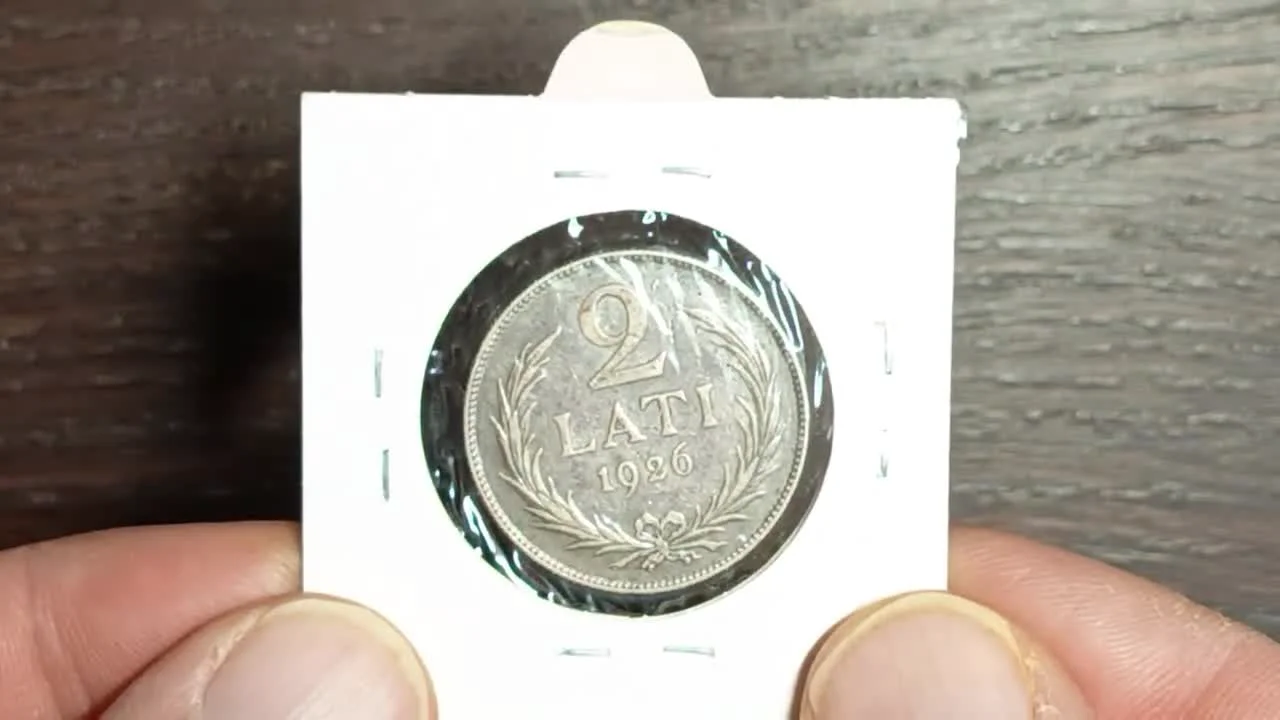
Among the numismatic finds acquired at a fair in Valencia, a 2 lati coin from Latvia, dated 1926, stands out. This currency appeared just eight years after the country declared its independence and became an important affirmation of the new statehood.
For buying and selling coins online, there are several major platforms that combine the features of classified ad boards and auctions. On them, you can find not only numismatic material but also other collectibles. Items are sold here both at a fixed price and through bidding.
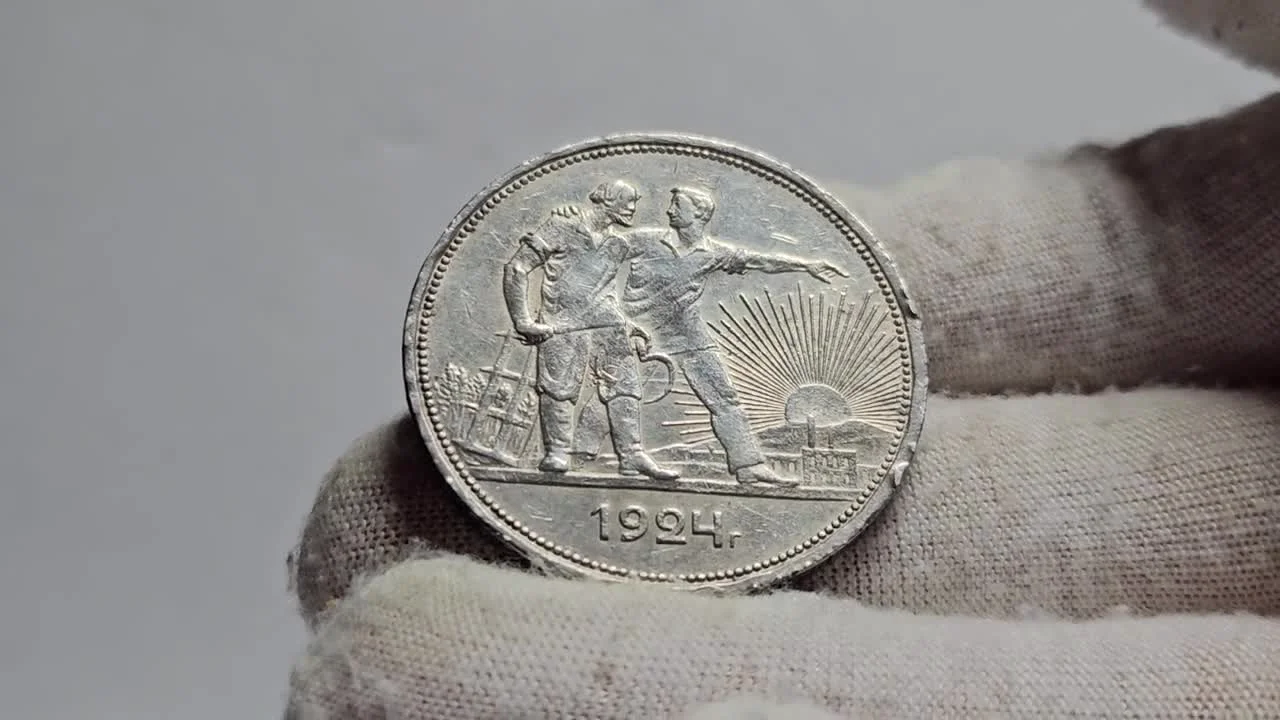
At a collectors' meet-up in the Spanish city of Valencia, which took place on November 5th, an interesting coin was acquired—a 1924 Soviet silver ruble. It is a very nice specimen, although it lacks mint luster.
At the heart of the passion for collecting often lies an ancient "hunter's instinct." A modern collector, like their ancestors, experiences the thrill of the hunt—searching, tracking, and finally, "capturing" the desired item. This search turns into a fascinating adventure, full of research and unexpected discoveries.
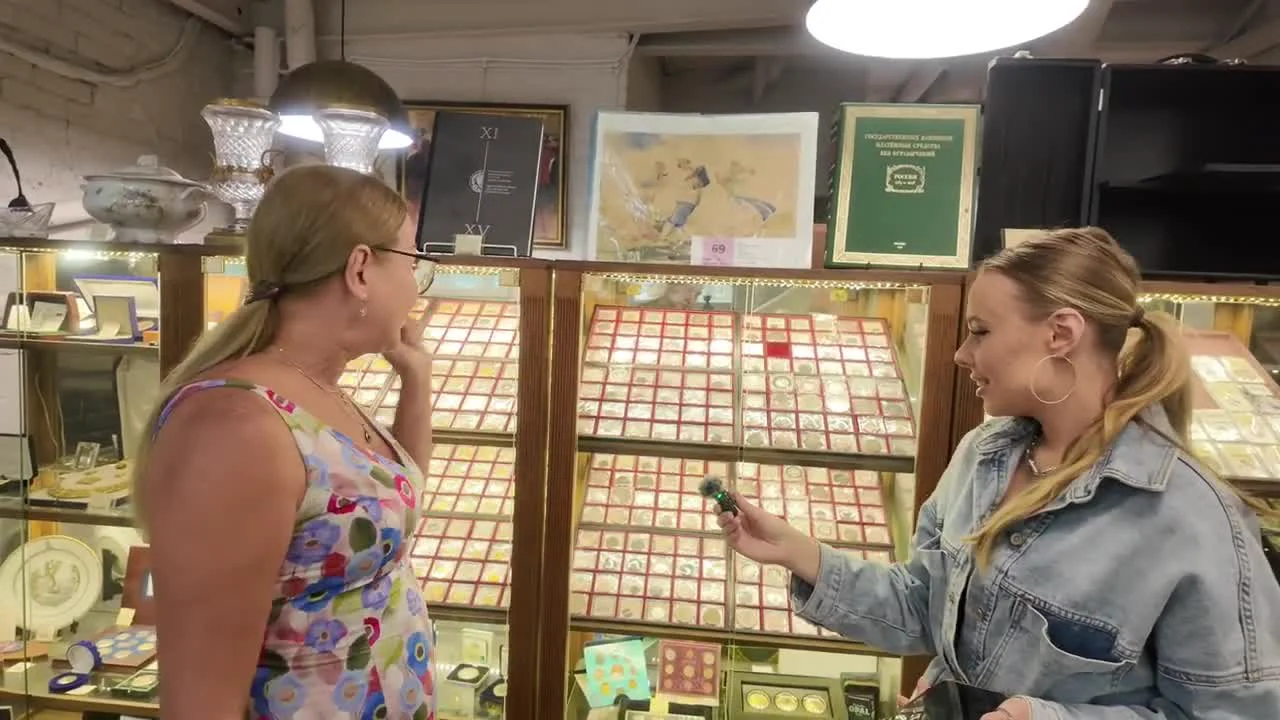
A preview of unique collectible coins is underway at the Hermes auction house, celebrating its 15th anniversary as a leader in the numismatics market. A vast number of gold and silver specimens are on display for visitors, many of which are destined to become true gems in private collections.
For a serious investor, owning a valuable collection of antiques is not just a hobby, but the management of a significant asset. Direct personal ownership is the simplest method, but often not the most effective from a tax and management perspective.
At the heart of autograph expertise lies a detailed graphological analysis. Specialists don't just look at the similarity of letters; they study micro-characteristics that are nearly impossible to forge. Key attention is paid to three main aspects: pressure, dynamics, and writing speed.
Auction houses, once considered bastions of conservatism, are actively entering the digital age. Today, participating in auctions no longer requires a physical presence in the room. Thanks to mobile apps and online platforms, one can bid on art, antiques, or collectible cars from anywhere in the world with just a smartphone.
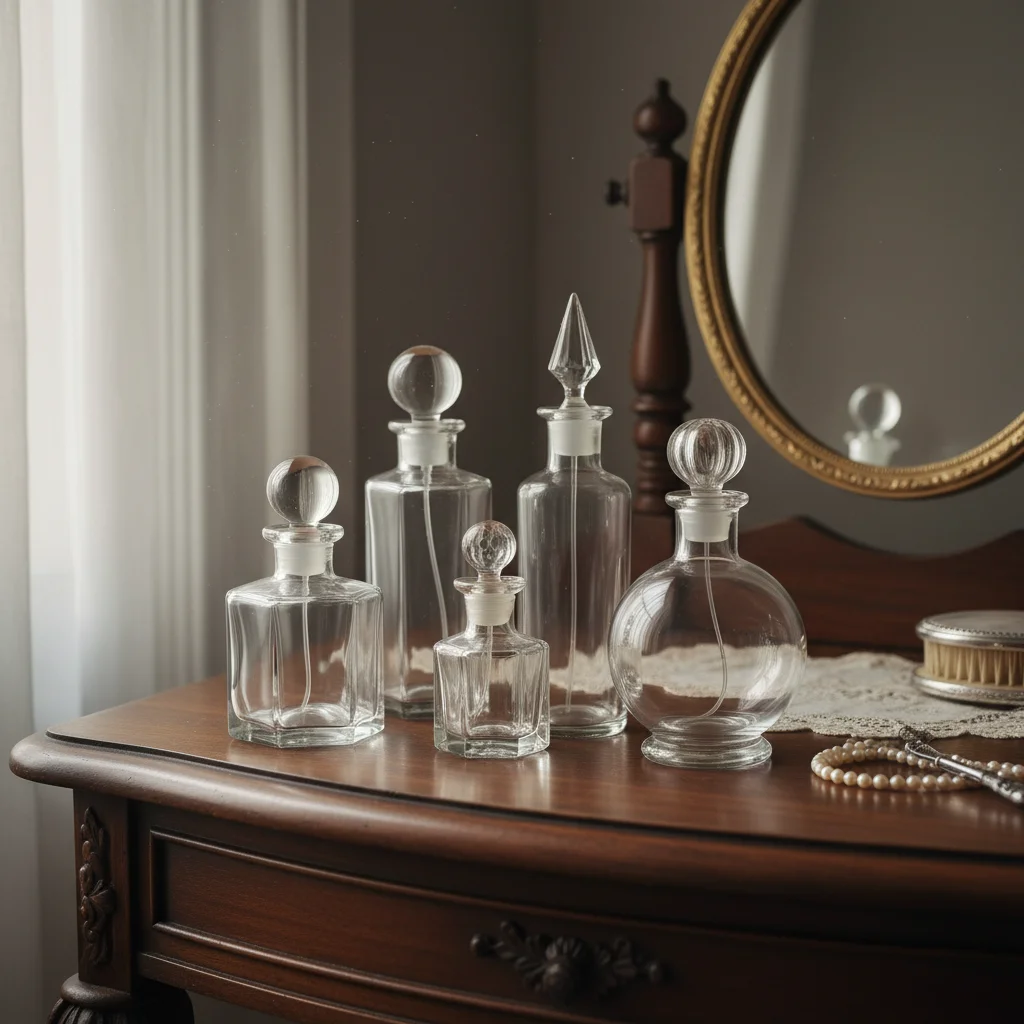
Collecting vintage fragrances is a fascinating hunt for the perfume treasures of the past. Perfumes are generally considered vintage if they were released at least 15-20 years ago, but bottles that are 50 years old or more are of particular interest to collectors. This is not just about buying old perfumes, but about the opportunity to touch history in a bottle.
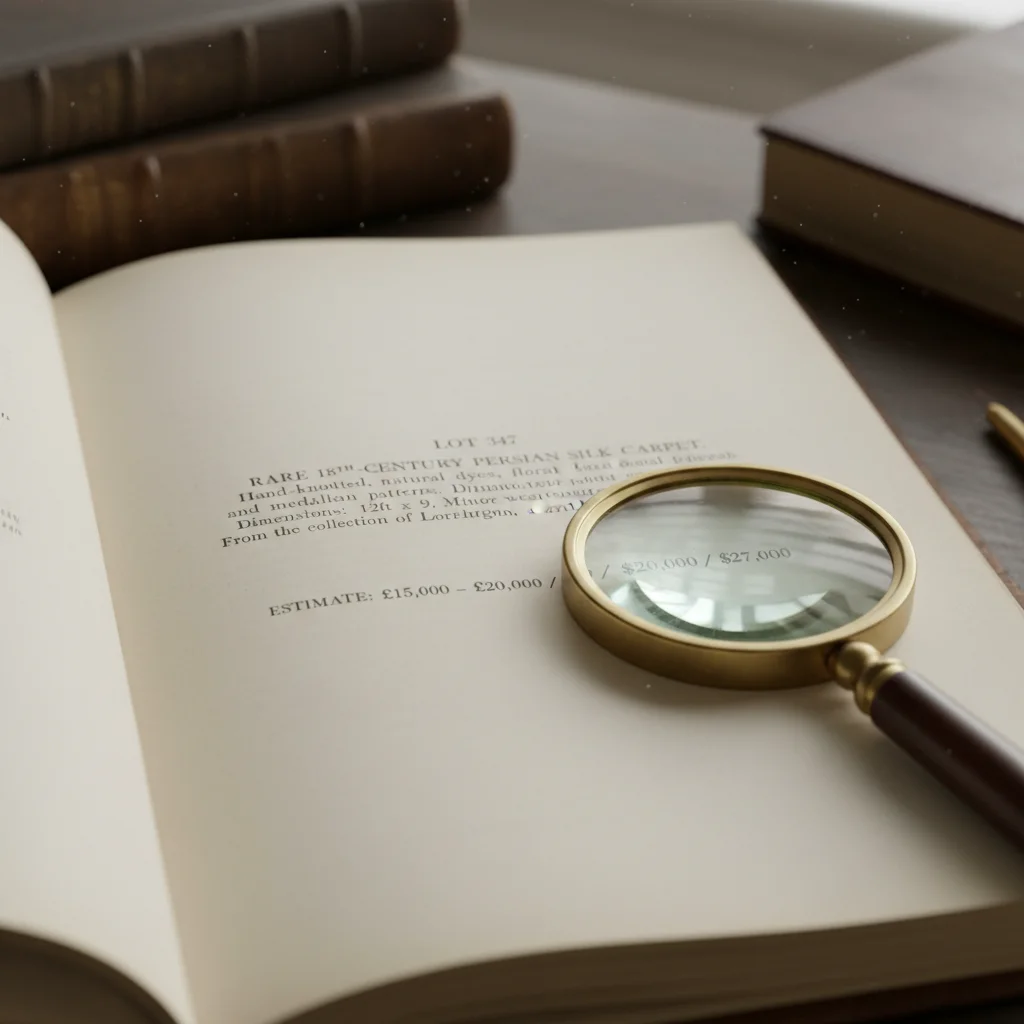
The starting price of a lot at auction is rarely pulled out of thin air. It is based on an estimate—a preliminary valuation of the item determined by the auction house's experts. This is not the exact sale price, but rather a projected range within which the lot is expected to sell.
In the minds of many, an auctioneer is just someone who talks fast and bangs a gavel. In reality, their role is much deeper and more complex. They are a key figure on whom the success of the auction and the final price of a lot directly depend. They are not just an intermediary but an active participant in the process, managing the dynamics and mood of the room.
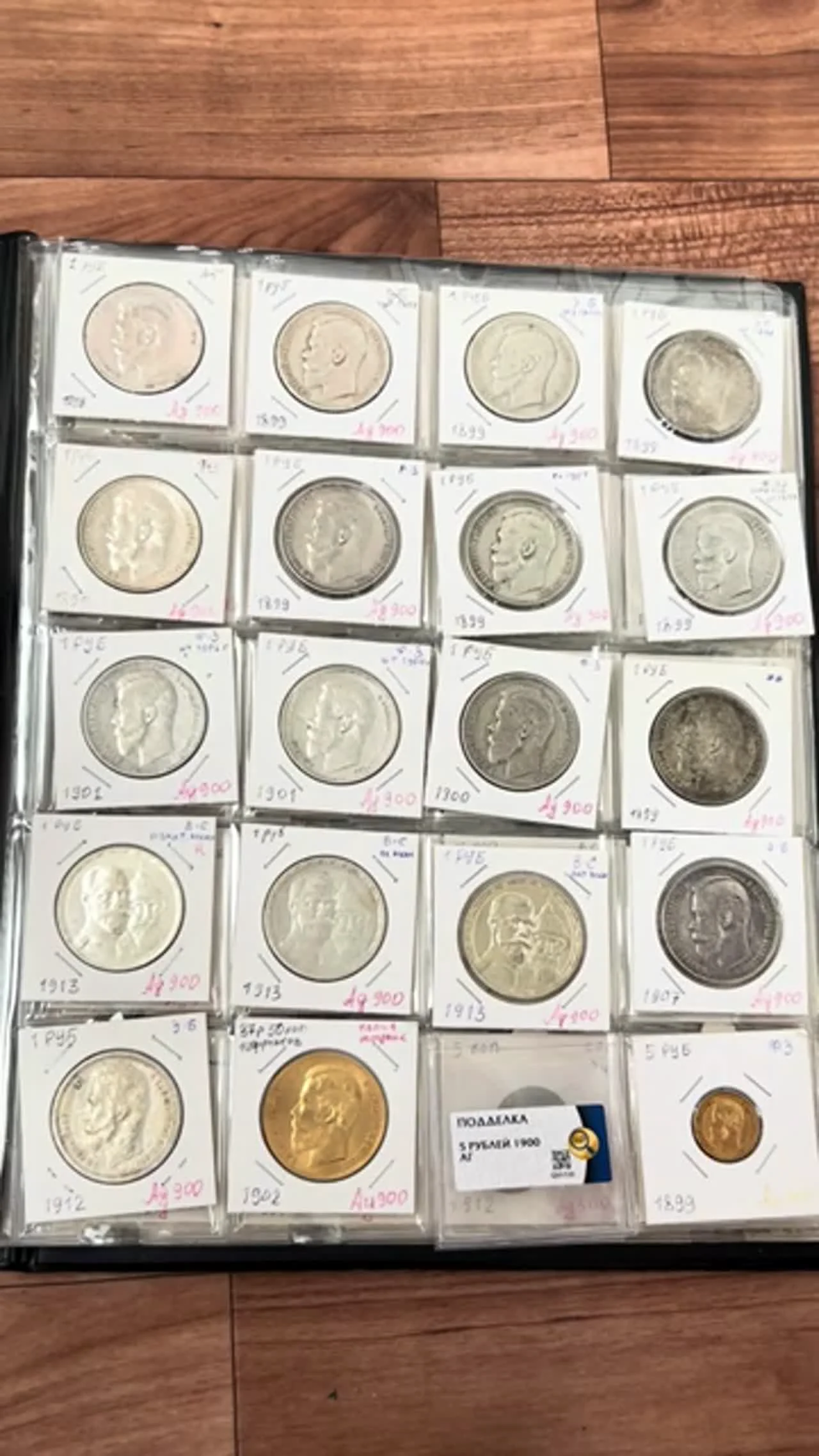
The core of the collection consists of coins from the reign of Nicholas II, forming what is known as a 'year set'. The condition of the specimens is not always of collector's quality, but they serve as a worthy starting point for a novice numismatist, allowing for the study of various mint years and coin types.
The subject of this review is a 2 kopek copper coin from 1812, issued during the reign of Alexander I. This particular specimen is distinguished by its excellent, so-called 'cabinet' preservation. The coin's surface, or field, is completely glossy, with no signs of mechanical cleaning or harsh interference.
There is a coin storage method that ensures their maximum preservation for many years. It involves placing a coin not just in a plastic capsule, but in a special silicone insert with prongs. These grips clasp the edge and rim of the coin on three or four sides, holding it securely.
The 20 kopek silver coin of 1914 was issued during the reign of Emperor Nicholas II. This numismatic artifact has precise specifications, which are important for its identification and valuation.
Among the awards related to naval themes, sets belonging to divers are of particular interest. Such awards are found much less frequently than those of other military branches, making them highly valued in collector circles.
November 27, 2025|8 мин
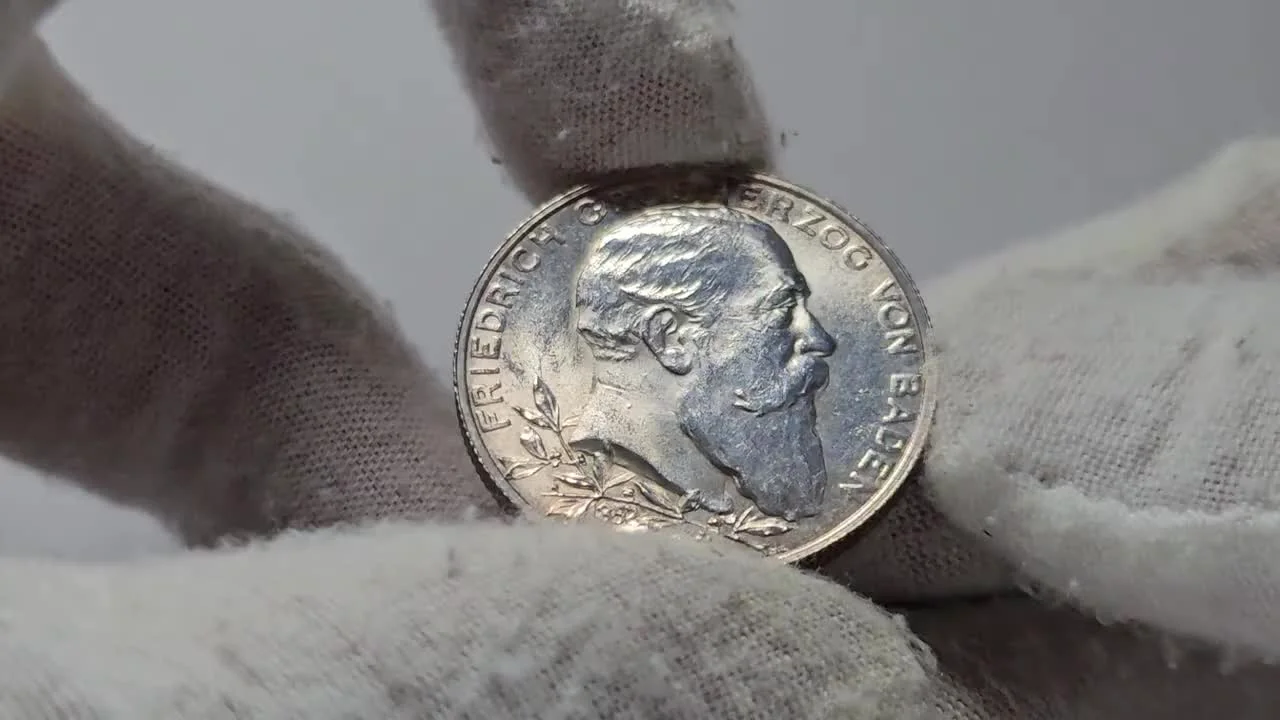
Several German Empire 2 Mark coins were acquired at the numismatic fair in Valencia on November 16. One of the finds was a 1902 commemorative coin issued to honor the 50th anniversary of the reign of Friedrich I.
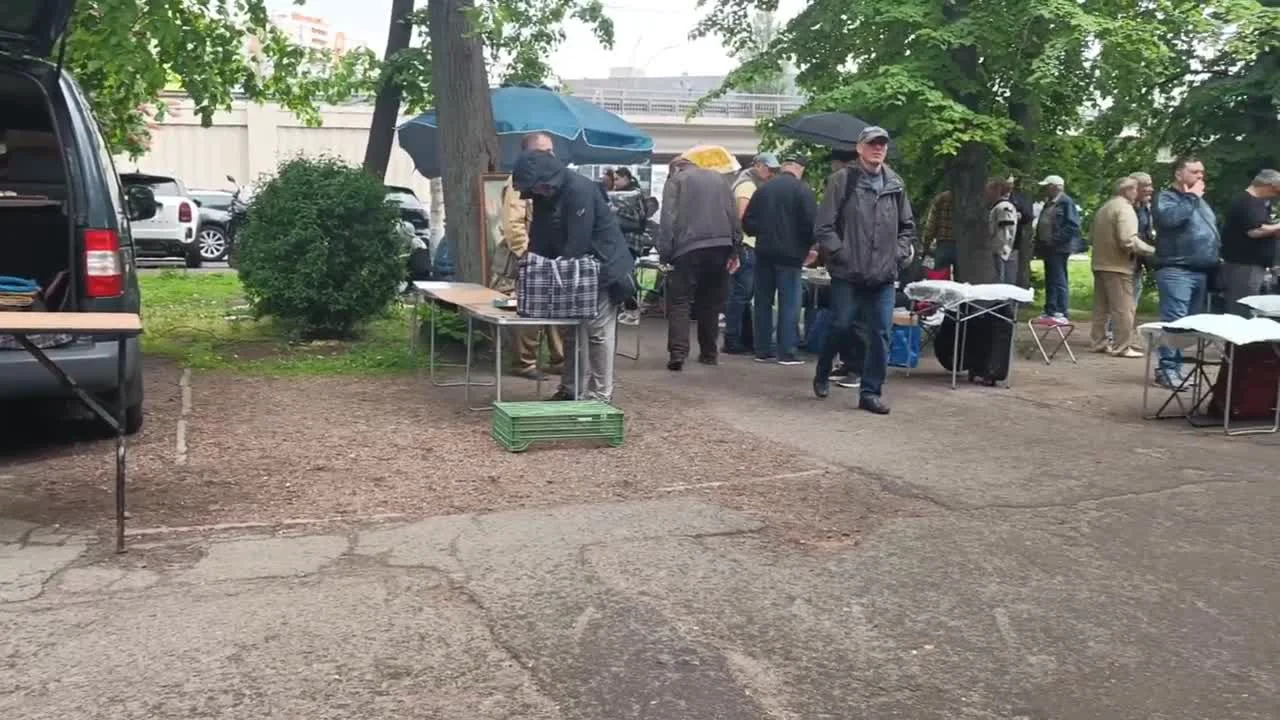
The Kyiv market, known as 'Nyvky,' is an important place for numismatists. Here, one can not only buy or sell coins but also get an idea of current market prices. It is a meeting place for collectors, where deals are discussed and made.
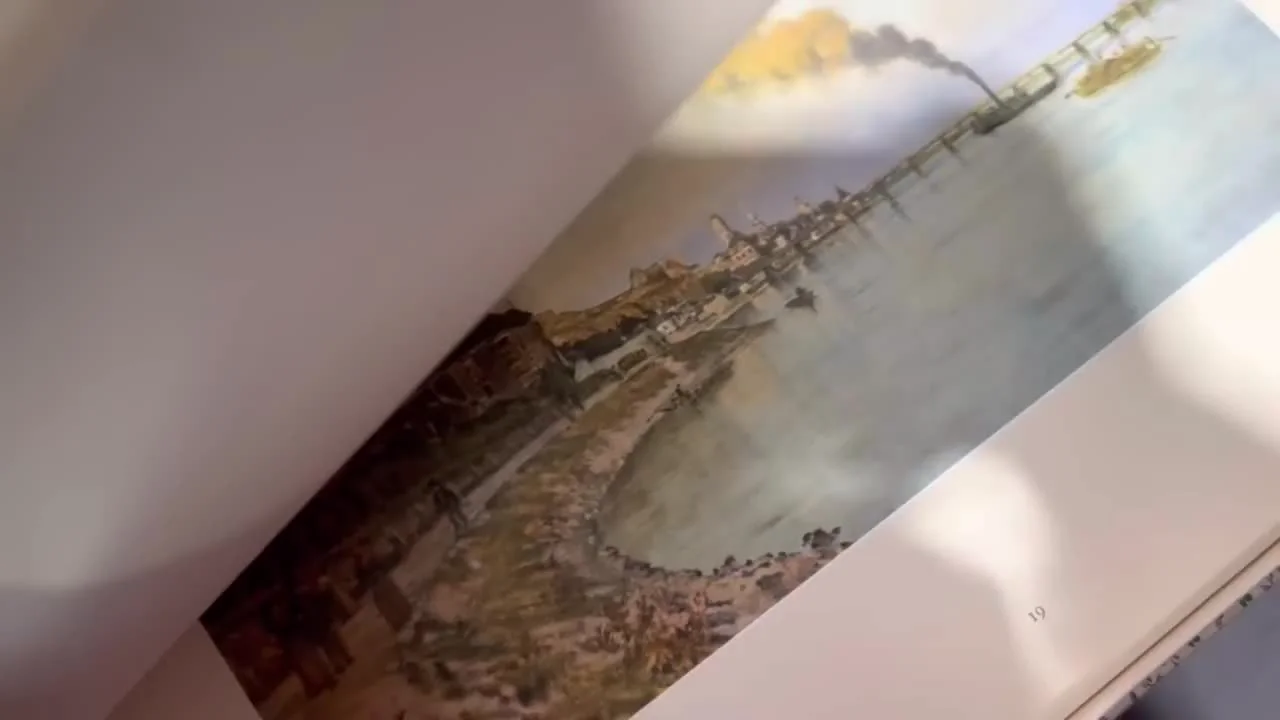
The journey through the flea market begins with the discovery of an elegant gift set of reproductions titled 'Le Danube autrichien' ('The Austrian Danube'). The high-quality landscape images in a beautiful box are almost ready-made paintings, lacking only a suitable frame.
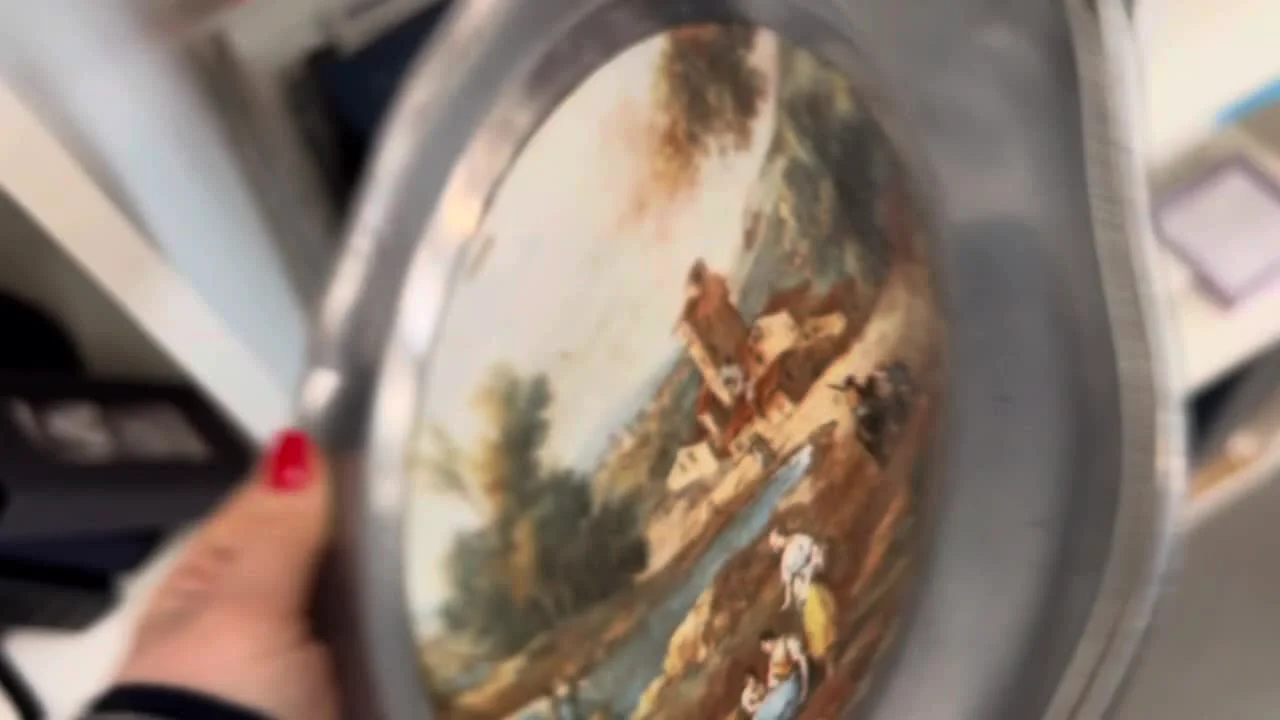
Among the flea market finds, a collection of interesting decorative plates stands out. One of them is an oval dish with the inscription 'Souvenir Italy' and an image of a traditional Sicilian cart, the 'Carretto Siciliano'.
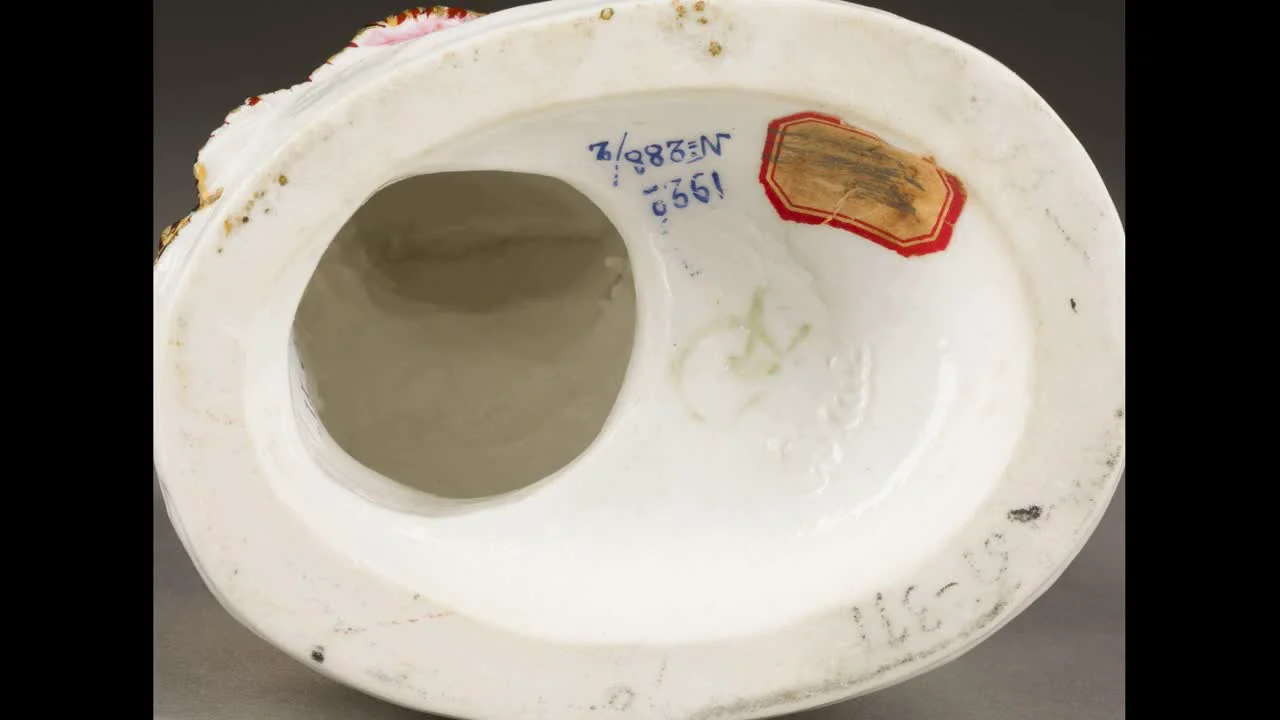
Among the finds at the flea market, you can discover interesting decorative plates. For example, a souvenir plate from Italy with the inscription 'Carretto Siciliano,' depicting a traditional Sicilian cart. On the back of such tableware, you can sometimes find the manufacturer's mark.
November 15, 2025|8 мин
Modern Collecting Trends: What's Popular Now?
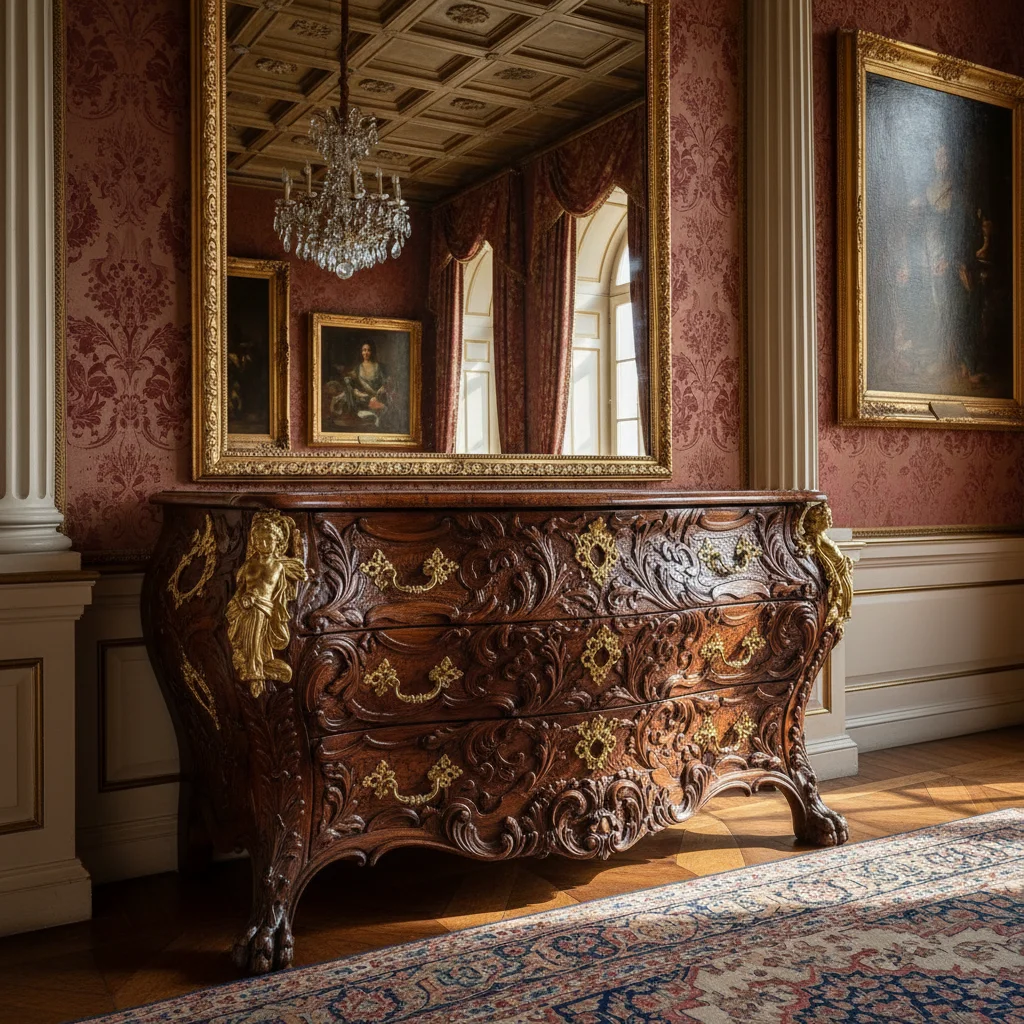
In recent years, there has been a noticeable decline in interest in classic antique furniture. Pieces in Baroque, Empire, or Rococo styles, once symbols of status and luxury, are increasingly rare in modern interiors. The main reason for this is the shift in lifestyles and aesthetic preferences.
Starting out in the world of collecting is often accompanied by enthusiasm and the desire to immediately build an impressive collection. However, it is at this stage that beginners encounter typical mistakes that can lead to wasted money and disappointment. The main ones are chasing quantity over quality and buying items in poor condition with the faint hope of restoring them.
For many, collecting is not just a hobby, but a serious capital investment. Paintings, sculptures, antique furniture, and other valuable items are expensive assets, the loss of which can cause significant financial damage. A standard home or apartment insurance policy typically does not cover the full value of such objects.
For any serious collector, a personal library begins with foundational publications, and catalogues raisonnés hold the foremost place among them. These monumental works represent a complete and exhaustive compilation of all known works by a specific artist, compiled by authoritative experts.
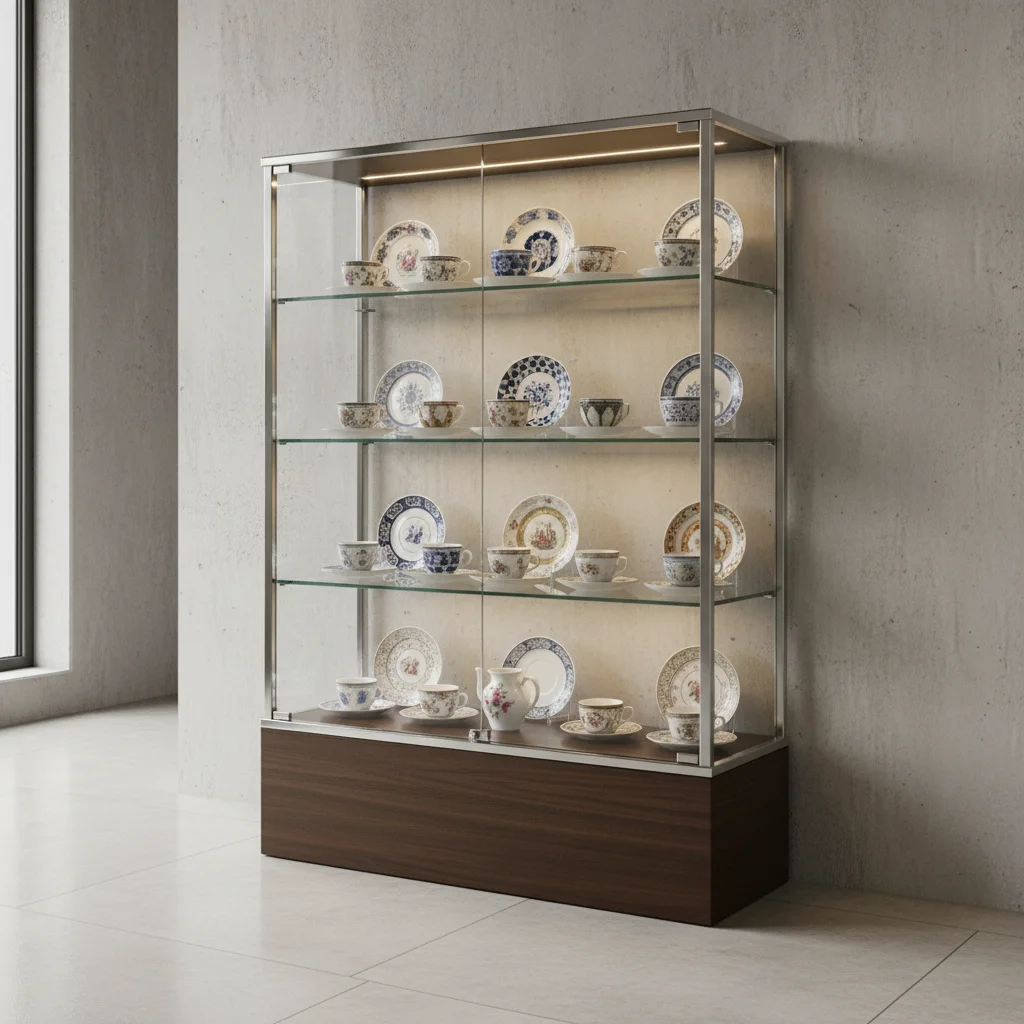
The first step to creating a home exhibition is choosing the right place to store and display your collection. A display case or shelving unit serves not only for aesthetic presentation but also for protecting valuable items from dust, humidity, and accidental damage. Several key factors should be considered when making a choice.
November 27, 2025|8 мин
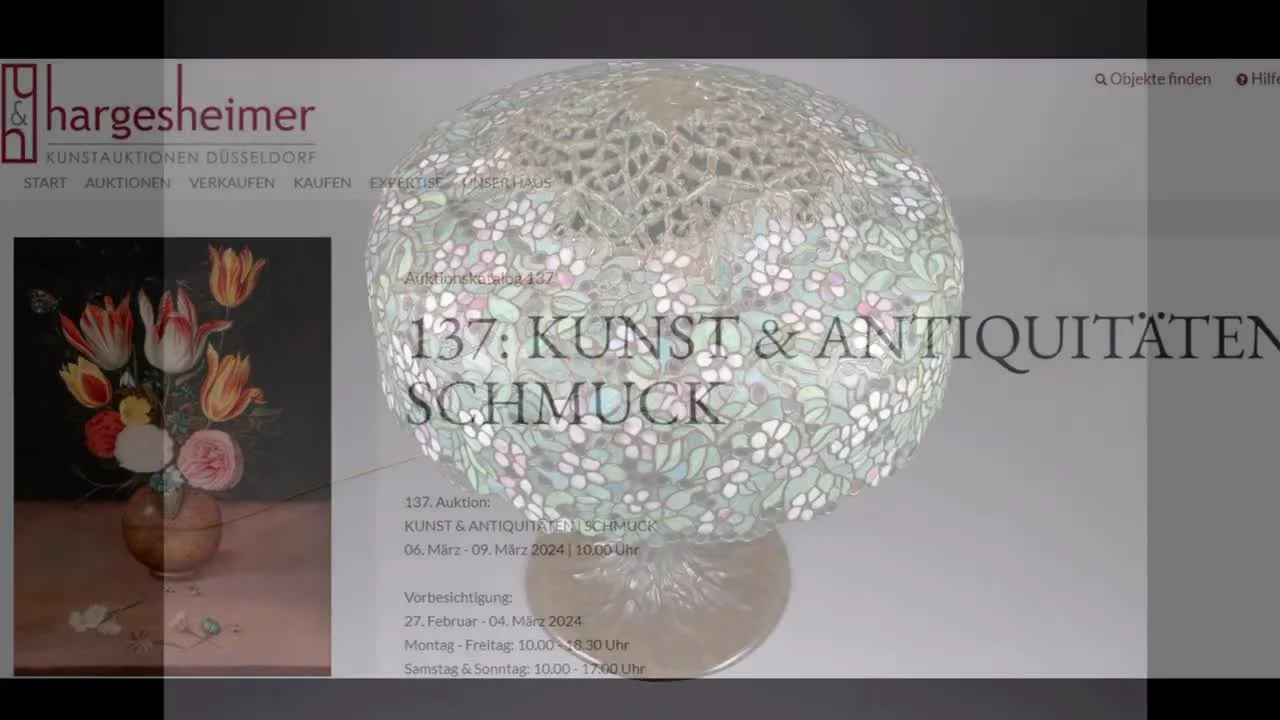
The recent Hargesheimer auction featured outstanding examples of Russian decorative and applied arts, which were sold for significant sums. It should be noted that a 25% auction fee and shipping costs must be added to the final price of each lot.
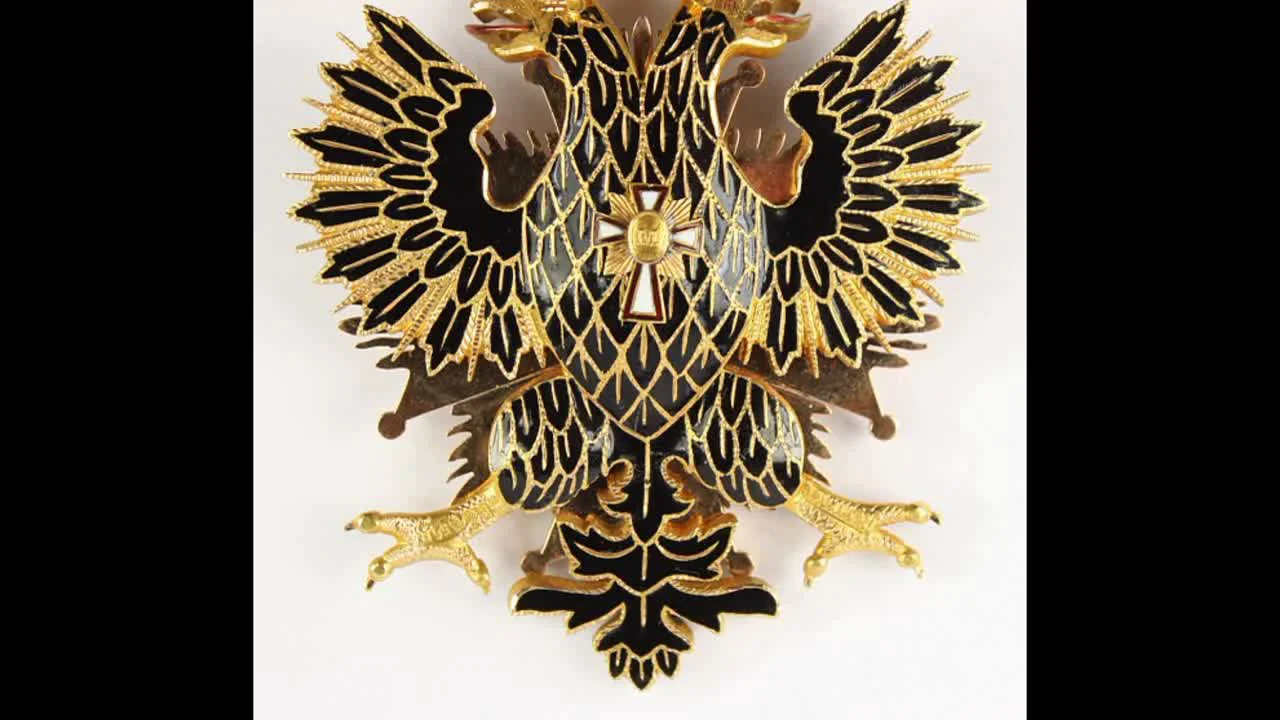
At an auction held in Berlin on June 22, 2024, a historically significant lot was presented – the Order of the White Eagle. This order, of Polish origin, was incorporated into the Russian awards system in 1831 by Emperor Nicholas I.
The recent 137th auction at Hargesheimer featured a variety of interesting lots, from art and antiques to jewelry. The main focus was on porcelain, particularly items from the renowned Meissen manufactory.
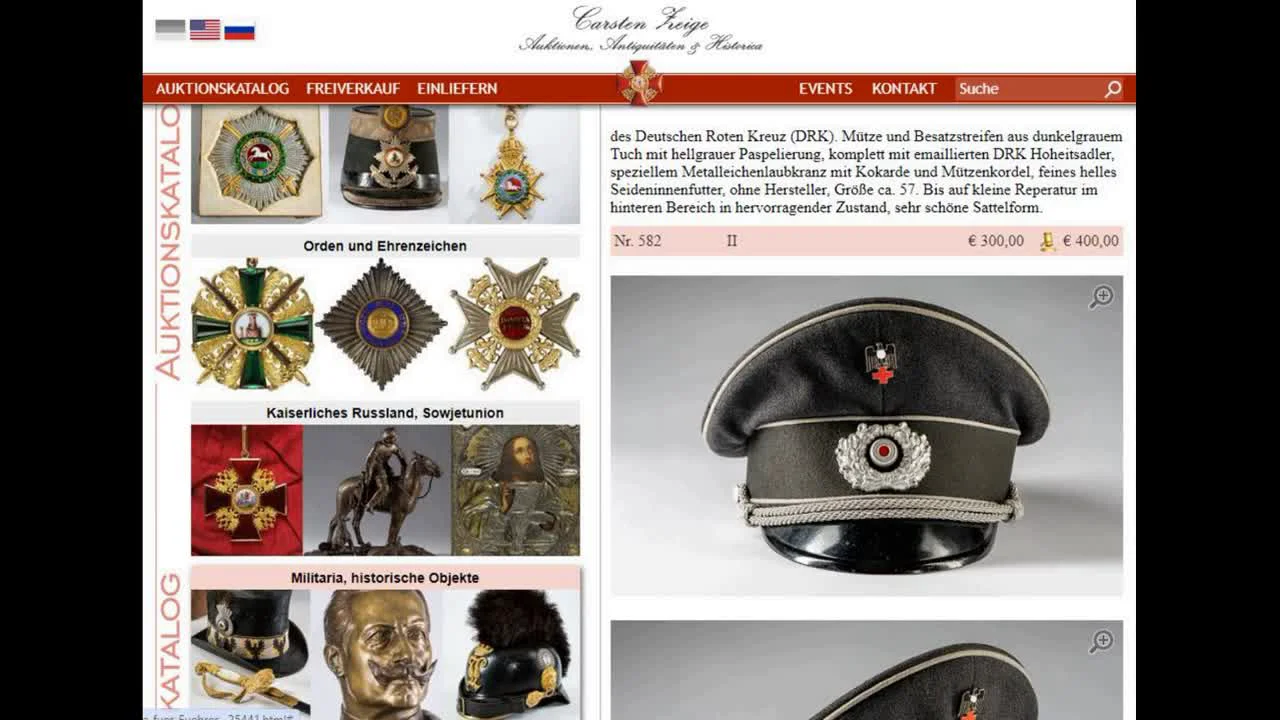
In December 2023, the Carsten Zeige auction took place, featuring numerous items from the Third Reich period. This review examines some of the most interesting lots to provide an overview of the current pricing policies in the militaria market.
November 12, 2025|8 мин
Comparative Analysis: Returns on Antiques vs. Stocks and Real Estate
When building an investment portfolio, many limit themselves to traditional instruments like stocks and bonds. However, the world of finance offers other ways to preserve and grow capital, including investments in real estate, gold, and art. These assets fall into the category of alternative investments and have their own unique characteristics.
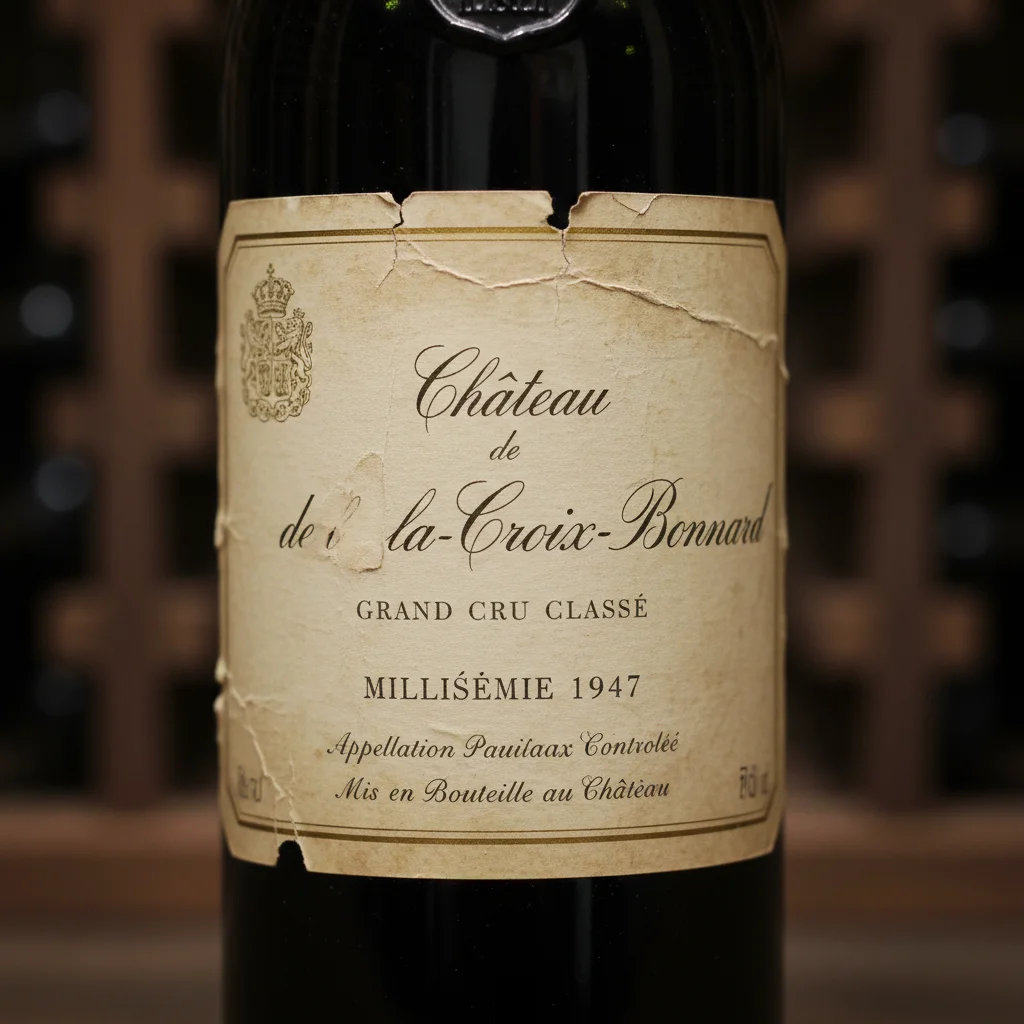
Wine investment is the allocation of funds into rare and collectible wines with the aim of reselling them later at a higher price. This type of alternative investment is attractive due to its stability and low correlation with traditional stock markets, especially during periods of economic instability.
In recent years, there has been a steady shift in the art market's center of activity towards Asia. Hong Kong, Shanghai, and Singapore are strengthening their positions as leading global hubs, competing with New York and London. This growth is driven by the emergence of a new generation of wealthy collectors from China, South Korea, and other countries in the region, who are actively investing in both national and Western art.
Investing in tangible assets, whether it's antiques, art, or collectibles, requires not only taste but also cold calculation. Investment appeal is a comprehensive indicator that determines how profitable an investment in a specific item is in terms of its future value growth. Without careful analysis, you risk acquiring an item that will please the eye but never yield a financial return.
The term 'blue chips,' originating from the stock market, has also found its application in the art world. It refers to artists whose names have become global brands and their works — coveted objects for collectors and investors. These are masters whose art has stood the test of time and whose reputation is unshakeable.
November 28, 2025|8 мин
Paper is one of the main markers of a book's age. Until the mid-19th century, so-called 'rag' paper, made from linen or cotton, was used for printing. It is durable, elastic to the touch, and often has a characteristic mesh-like structure visible when held up to the light.
The world of collecting has always been an arena not only for connoisseurs of beauty but also for virtuoso fraudsters. The history of the art market is full of dramatic stories about forgeries that have deceived the most reputable experts, museums, and wealthy collectors. These stories are not just tales of crime, but fascinating narratives about the psychology, talent, and technology of deception.
In the digital age, the ability to get an expert opinion on an antique without leaving home has become a reality. Online appraisal by photo has become a popular tool for both novice collectors and casual owners of historical items. It allows you to quickly understand whether you are holding a family heirloom or a potentially valuable artifact.
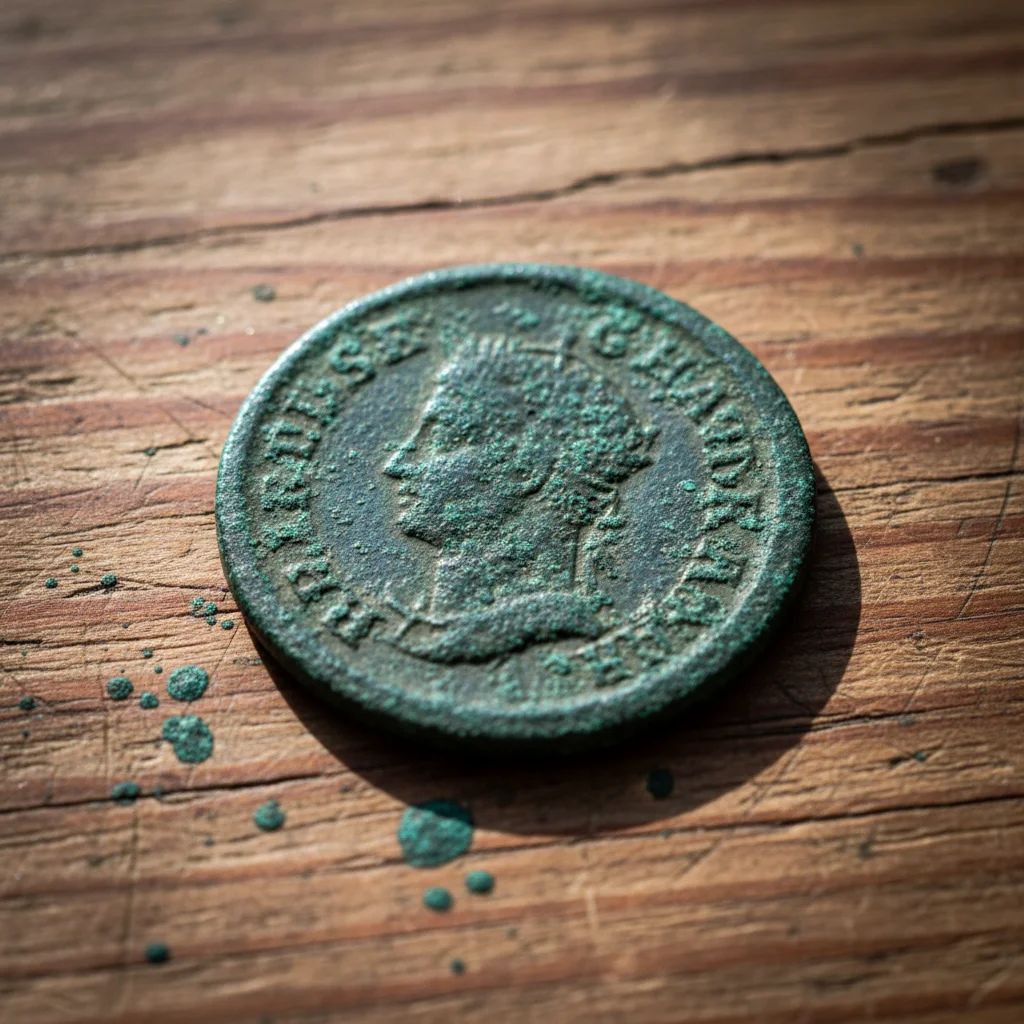
In the world of antiques, not every aesthetic improvement is beneficial. A prime example is numismatics. Attempting to make an old coin shiny with cleaning agents can reduce its value tenfold or more, or even bring it down to the price of the metal. The reason lies in the patina—a noble layer that forms on the metal's surface over decades and centuries.
November 28, 2025|8 мин
The starting price of a lot at auction is rarely pulled out of thin air. It is based on an estimate—a preliminary valuation of the item determined by the auction house's experts. This is not the exact sale price, but rather a projected range within which the lot is expected to sell.
In the minds of many, an auctioneer is just someone who talks fast and bangs a gavel. In reality, their role is much deeper and more complex. They are a key figure on whom the success of the auction and the final price of a lot directly depend. They are not just an intermediary but an active participant in the process, managing the dynamics and mood of the room.
Beyond the classic public auctions where dozens of participants compete for a lot, other, less publicized formats exist. These include private sales and charity auctions. Each of these formats has its own unique characteristics, objectives, and rules of participation, attracting a diverse audience.
A Dutch auction, also known as a reverse auction, fundamentally changes the usual logic of bidding. Instead of participants raising their bids, the auctioneer starts with a deliberately high price and gradually lowers it in specific increments.
Participating in an auction can be thrilling, but the euphoria of winning a lot often gives way to surprise when you see the final bill. The price at which the auctioneer's hammer falls (the hammer price) is far from the final amount you will have to pay. There is a whole system of additional fees that significantly increase the final cost.
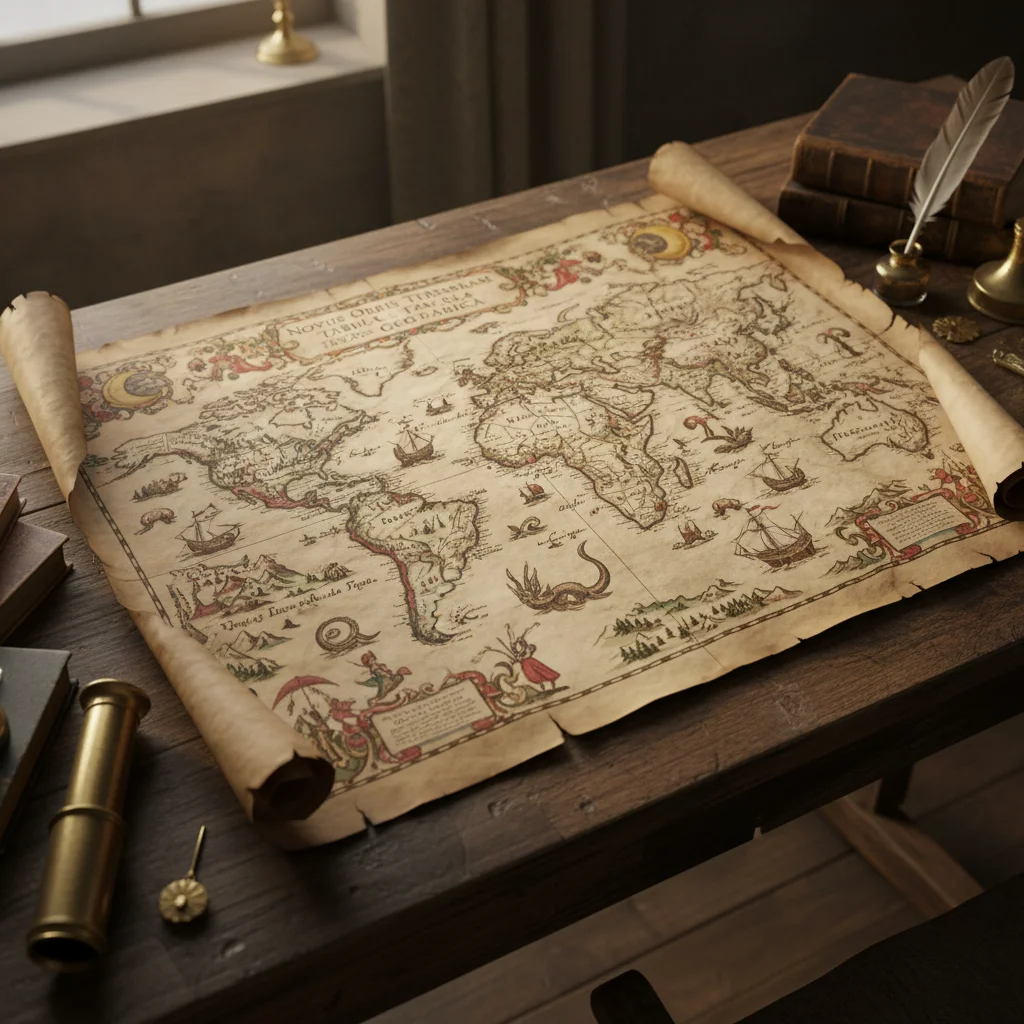
Initially, geographical maps were purely practical tools, vital for sailors, merchants, and explorers. They helped to plot routes, avoid dangers, and reach distant lands. Over time, however, maps ceased to be mere diagrams and evolved into something more.
There are thousands of car models in the world, but only a few achieve the status of an icon. A legendary car is more than just metal and mechanics. It is history frozen in form, a symbol of an era, and an object of desire for millions. Such cars become collectibles not by chance, but thanks to a unique combination of factors that make them stand out from the rest.
Once, comics were simple magazines sold at newsstands for just 10 cents. No one could have guessed that these cheap booklets with illustrated stories about heroes in tights would eventually turn into a cultural phenomenon and objects of multi-million dollar investments. Their journey from mass entertainment to expensive collector's items is the story of an entire era.
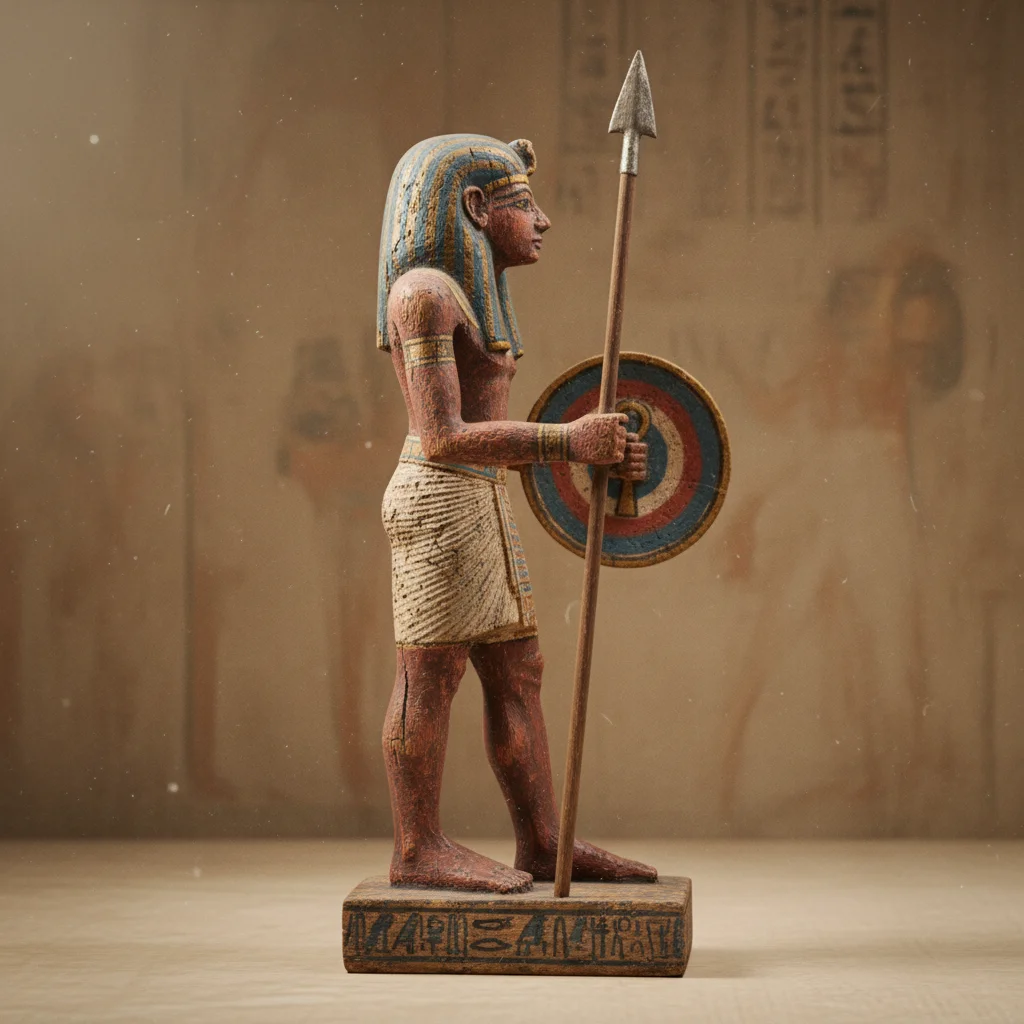
Figures of warriors have accompanied humanity since ancient times. Miniature depictions of soldiers, meant to serve them in the afterlife, were found in the tombs of Egyptian pharaohs. In Ancient Rome and Greece, clay and bronze statuettes of warriors were used as toys and ritual objects.
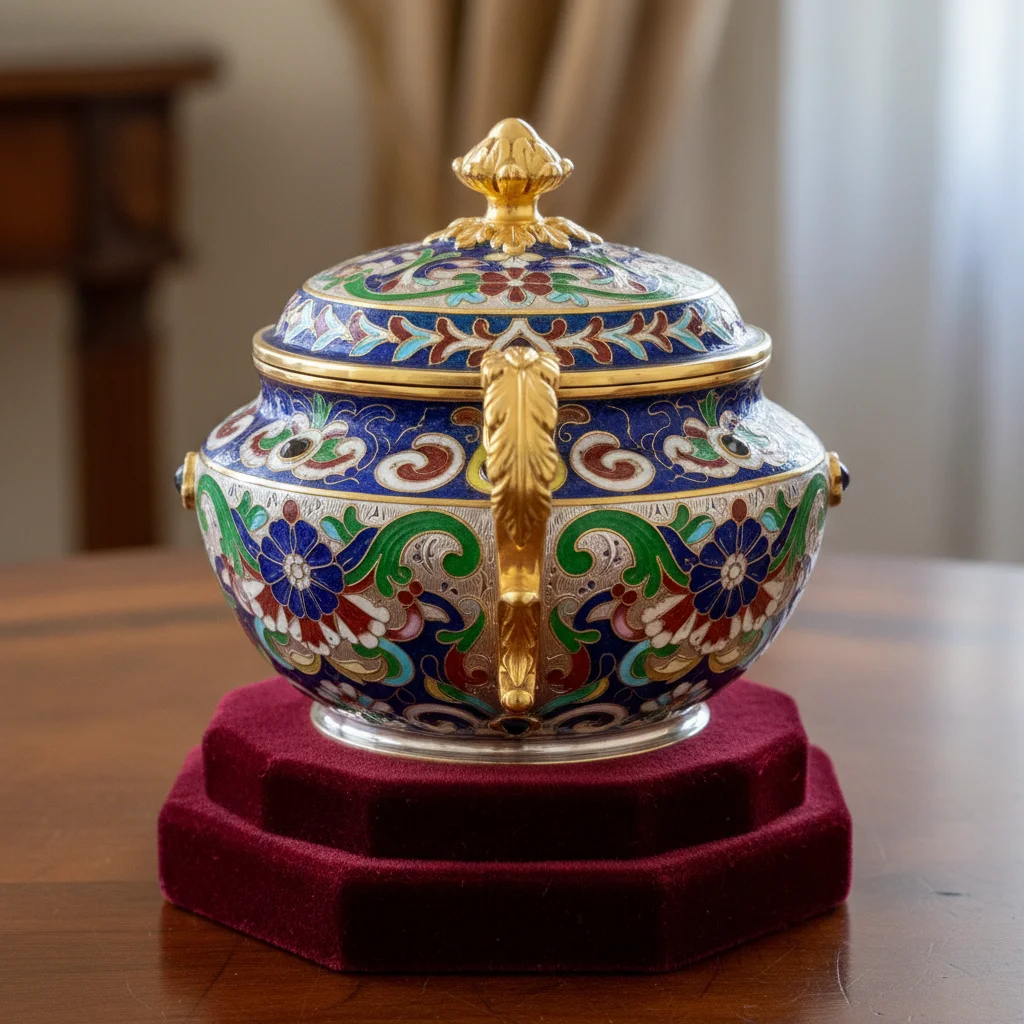
The history of silverware in Russia is closely linked to the era of Peter the Great and his efforts to Europeanize the lifestyle of the nobility. Until the 18th century, silver tableware was a privilege exclusively for the tsarist court and the highest nobility, but it was Peter's reforms that initiated the widespread adoption of silver sets as a symbol of status and wealth.